
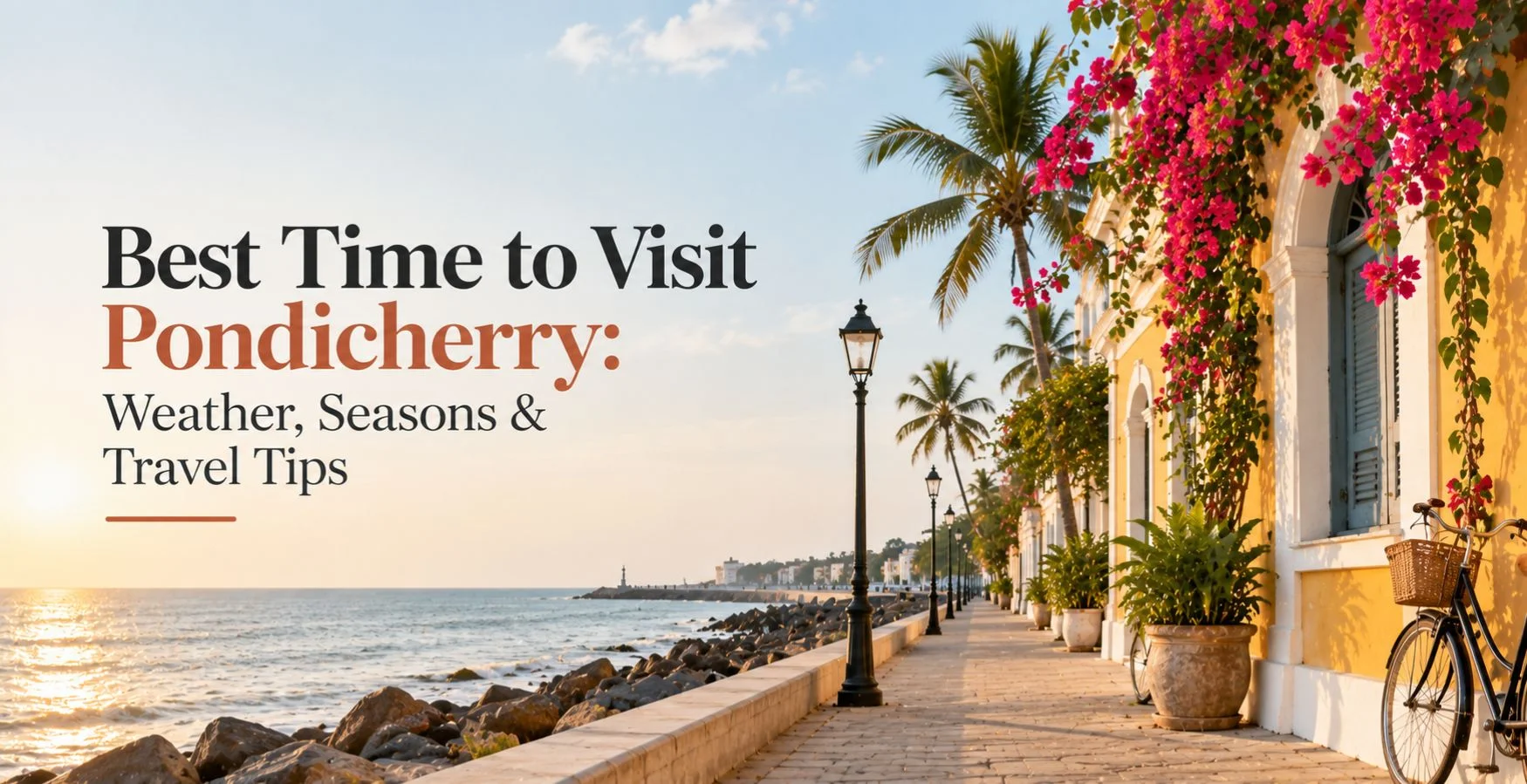


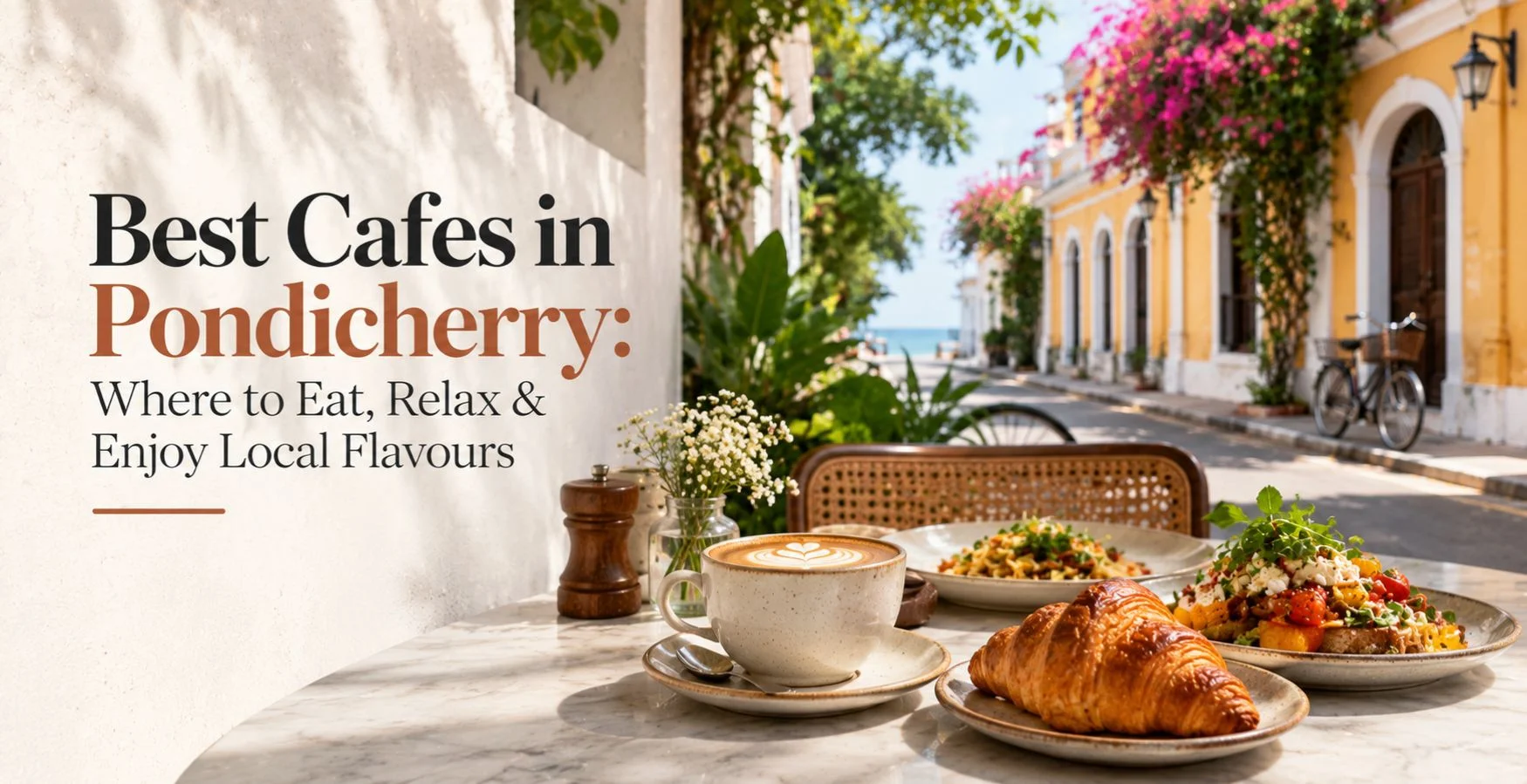
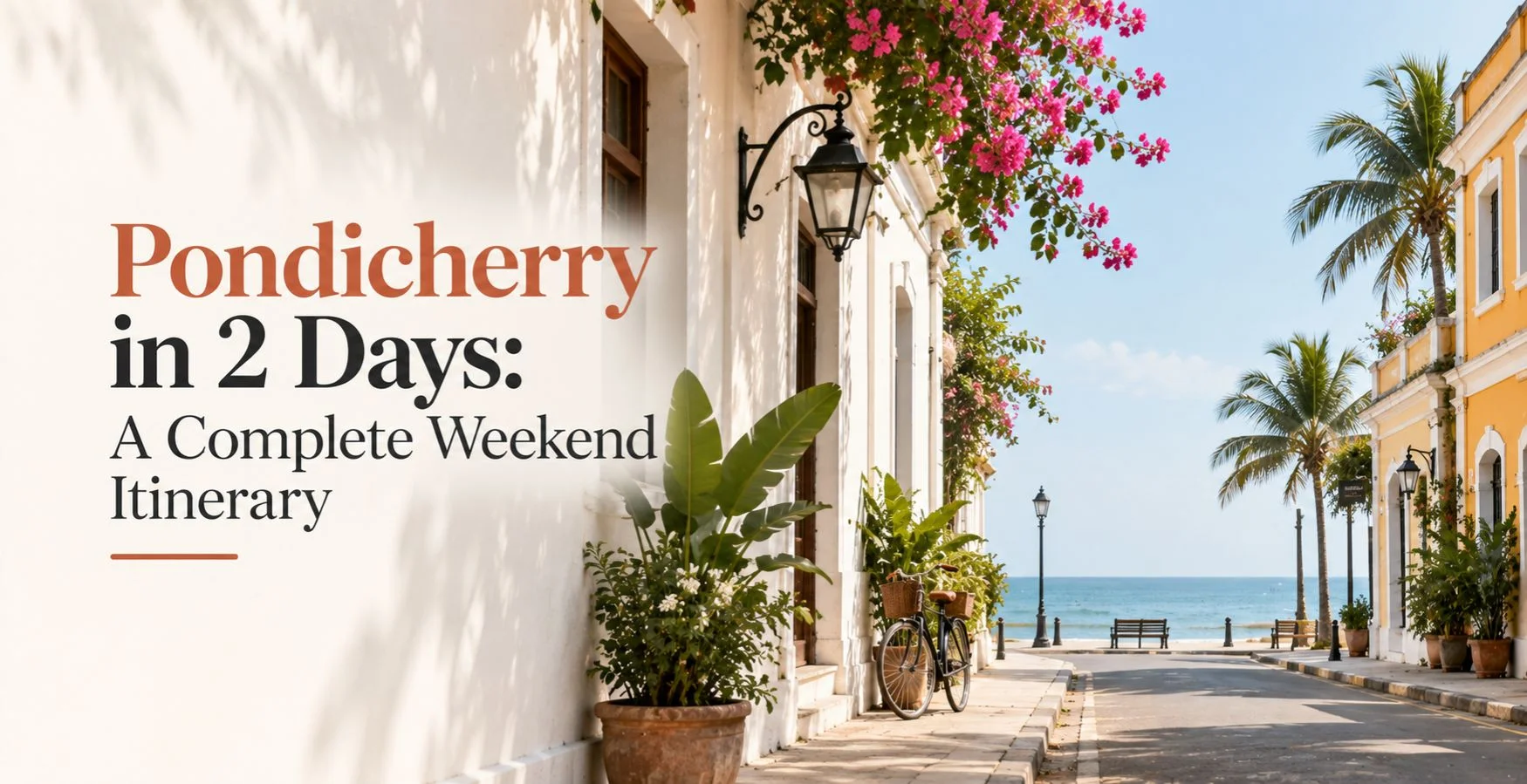
Pondicherry is one of those Indian towns in which you may walk across the corner and all at once sense like you’re somewhere absolutely terrific. Yellow walls, colourful doorways, tall home windows, quiet streets, and vintage houses provide components of the town with a splendid European character.
This is what makes French architecture in Pondicherry so thrilling. The metropolis’s French connection has left a clear mark on its streets, houses, and neighbourhoods, especially inside the historic French Quarter.
If you enjoy records, images, or definitely exploring adorable streets walking, discovering the French structure Pondicherry is an exquisite way to revel in the town.
The easiest way to appreciate French architecture in Pondicherry is to explore the city’s ancient streets on foot.
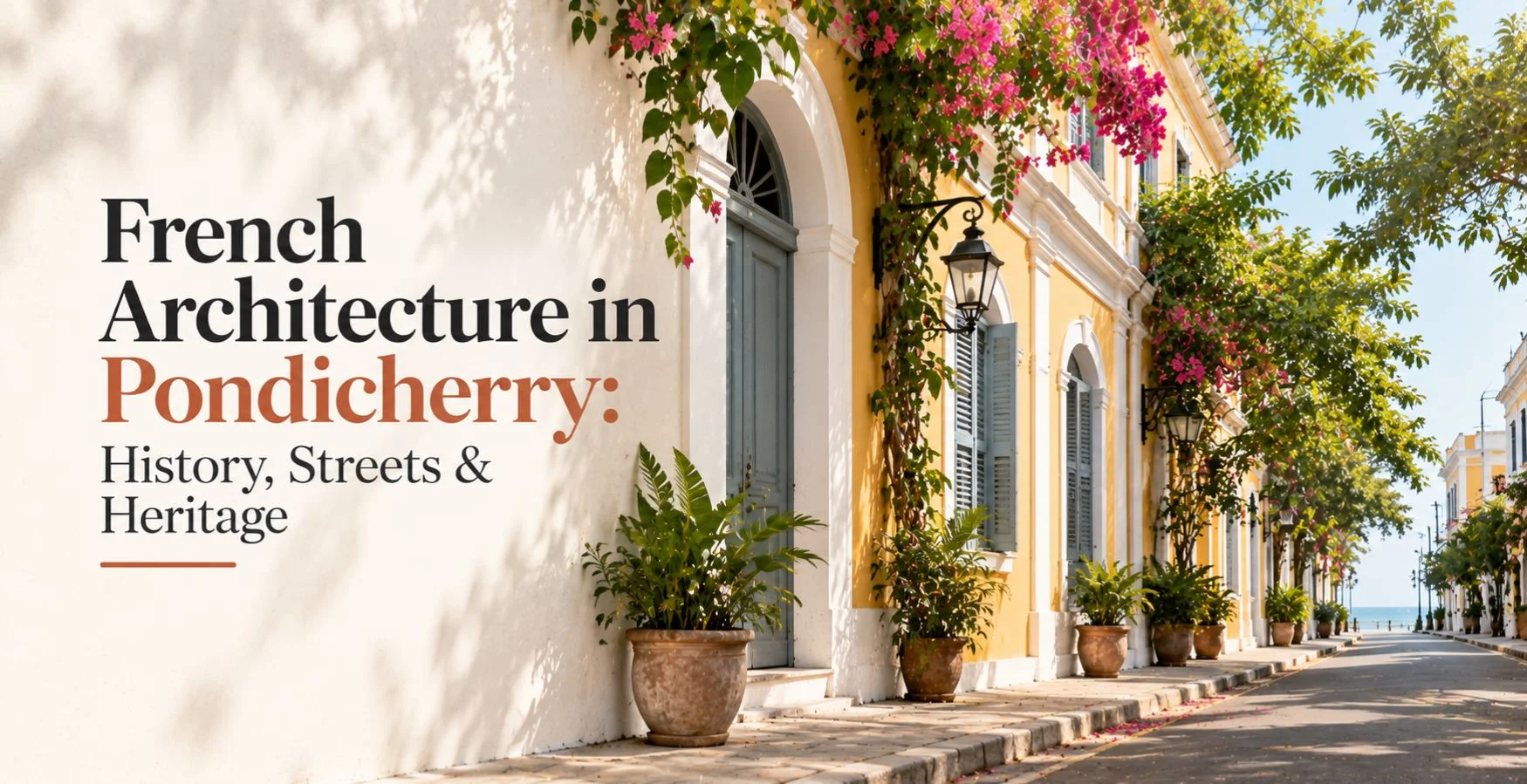
The French Quarter has a special format and a combination of French colonial influences with nearby Tamil architectural traditions. Buildings frequently feature high ceilings, large windows, verandas, courtyards, and decorative details.
You can also be conscious of how the structure changes as you move between terrific components of the town. This mixture is a critical a part of Pondicherry’s visible identity.
The story of French history in Pondicherry goes once more severa centuries.
The French made an agreement right here in the 17th century, and Pondicherry later became the centre of French possessions in India. French had an impact on persevered till the territory was transferred to India in 1954.
These records can nevertheless be visible these days through the town’s historic streets and homes.
Rather than being limited to museums, the French records in Pondicherry is a part of the regular landscape. You can see it while walking through neighbourhoods, travelling antique houses, sitting at cafes, or exploring the seafront.
The French Quarter Pondicherry, commonly associated with White Town, is one of the best areas to experience the city’s colonial past.
The streets are tremendously easy to discover on foot, and lots of homes have retained features in their historical look.
Tall French-style windows
Colourful facades
Arched doorways
Shaded verandas
Courtyards
Decorative balconies
Heritage homes
Tree-lined streets
The charm isn’t constrained to one famous monument. It comes from seeing those details together in the neighbourhood.
A stroll through the Pondicherry French Quarter can include several famous landmarks.
You can visit the French War Memorial, stroll through spherical Bharathi Park, see Aayi Mandapam, discover close by history streets, and walk along the Promenade.
The French War Memorial is especially tremendous for its smooth, simple design and open area. The nearby streets offer plenty of possibilities to see historic structures and colorful homes.
You can also stop at a restaurant alongside the promenade and enjoy the area without following a strict sightseeing timetable.
The town’s colonial shape in Pondicherry isn’t always absolutely French in character.
One of the most thrilling aspects of the metropolis is the way European and Indian layout traditions exist along every other. Some background homes show French influences, even as others integrate those elements with conventional Tamil features.
This architectural blend offers Pondicherry a character this is first-rate among many different former colonial settlements.
For guests interested in architecture, it is worth taking note of smaller details in order to simply photograph the most famous homes.
Several background buildings in Pondicherry have been restored and adapted for modern-day use.
Old homes can now be motels, cafes, shopping places, cultural areas, or personal homes. This lets in traffic to experience historical structures as part of the living city in an area rather than seeing it within the back of museum doors.
La Cedille is one example of a historic building in White Town. Located on Dumas Street, the property occupies a colonial-era building with a garden and 7 historic rooms. Its layout retains elements of the building’s historical identity at the same time as functioning as lodging for current visitors.
This type of adaptive reuse allows hold ancient buildings related to regular lifestyles.
When exploring French colonial houses in Pondicherry, do not simply have a look at the shade of the partitions.
Pay attention to the proportions of the homes, entrances, windows, balconies, verandas, courtyards, and street-facing facades.
The assessment of incredible outdoor colors and old architectural information is especially notable in White Town.
Early morning and late afternoon also are cushty instances for strolling and pix, mainly in some unspecified time in the hotter months.
The White Town Pondicherry architecture is pleasant, skilled slowly.
Instead of taking a vehicle from one attraction to any other, pick out some streets and walk among them. You can photograph houses, study records of facts wherein to be had, save yourself for espresso, and explore small shops along the way.
A comfortable stroll can take anywhere from an hour to numerous hours, depending on how a whole lot you need to explore.
If you are staying in White Town, you could additionally enjoy the revel in during your ride in the vicinity of attempting to complete the whole thing in a single morning.
Exploring French structure Pondicherry gives you a first-rate way to recognize the city.
You study its colonial past, see how brilliant architectural traditions came collectively, and discover streets that can be just as interesting as the fundamental traveler points of interest.
It is likewise an easy hobby to mix with different factors of your ride. You can comply with an structure walk with breakfast, go to a nearby landmark, spend time on the beach, or return to an ancient hotel for a quiet afternoon.
White Town and the historical French Quarter are the principal regions to discover. You can see French-inspired buildings, heritage houses, public areas, and colonial-era streets while taking walks through the neighbourhood.
Pondicherry became an essential French settlement in India for several centuries. French have had an impact on the customary additions to the city’s structure and concrete format, which could although be seen in recent times.
The French Quarter is the ancient location typically associated with White Town. It is known for its French-inspired structure, historic houses, quiet streets, cafes, and proximity to the seafront.
The city has several historical homes and landmarks, which include the French War Memorial, Aayi Mandapam, and numerous historical homes in White Town and surrounding areas.
Yes. White Town is particularly suitable for walking due to the fact that many historic homes, streets, cafes, and landmarks are positioned close together.
The French architecture in Pondicherry is more than a collection of attractive old buildings. It is part of the city’s history and one of the easiest ways to understand its unique character.
A walk through the French Quarter, especially White Town, lets you see colourful facades, colonial details, heritage homes, and local life all in one place.
If you want to experience this atmosphere more closely, staying at a heritage property such as La Cedille in White Town can make your trip even more connected to Pondicherry’s architectural history.
So, next time you visit Pondicherry, put your phone away for a while, walk slowly through the old streets, and look up. Some of the city’s best stories are built into its walls.
Share This :

Away from checking for blue ticks, towards the bright blue ocean. Away from the noise, towards the music.
34 Dumas Street , Pondicherry , White Town
lacedilleindia@gmail.com
+91 90870 19111
Reception 12 Hrs
Ⓒ 2025 La Cedille | ALL RIGHTS RESERVED. Powered by Digital Palmy Inc.